Sustainable IT: Balancing Performance with Environmental Responsibility
As data centers consume increasing amounts of energy, enterprises are prioritizing sustainable IT practices to reduce environmental impact while maintaining performance.
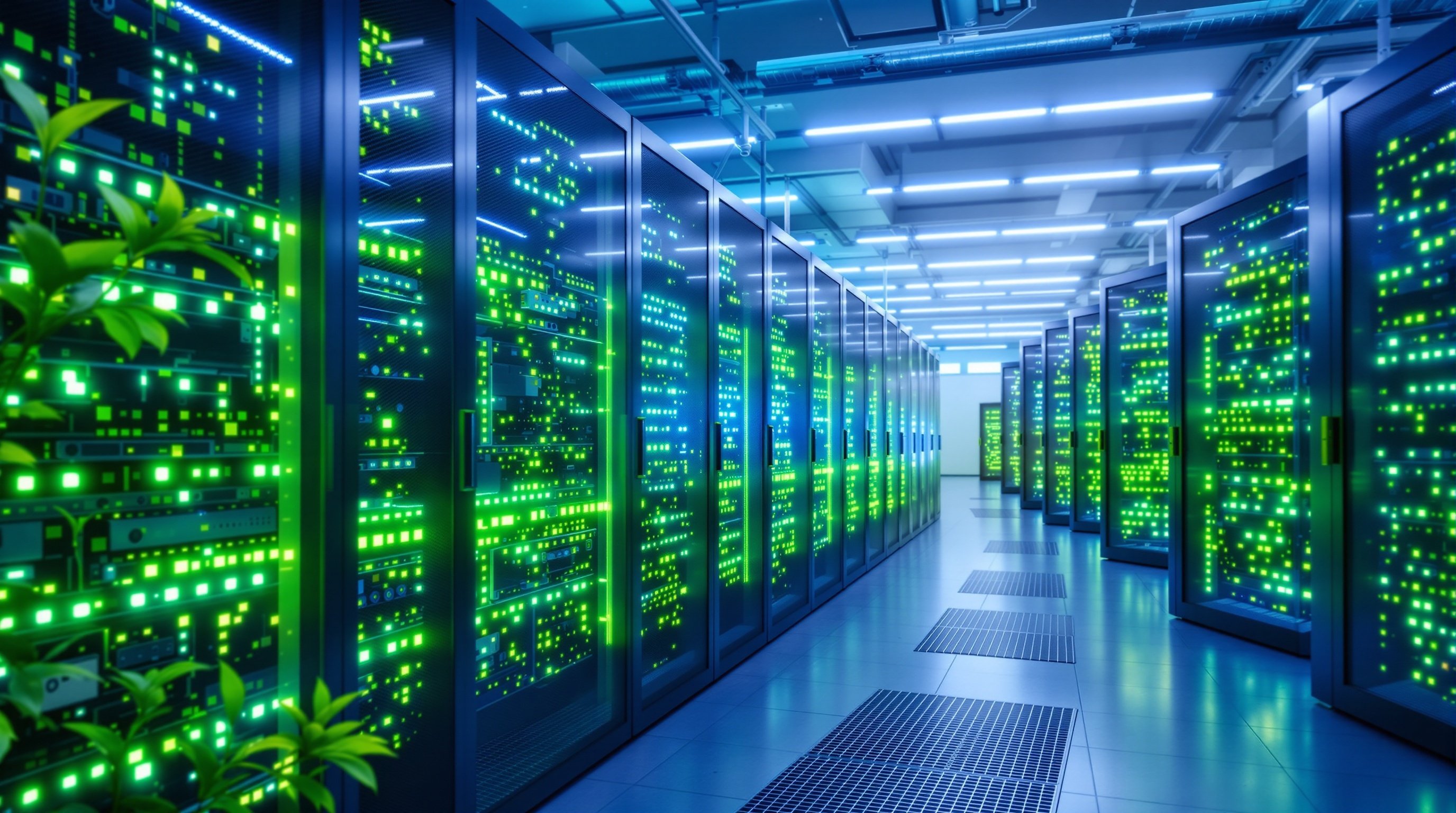
The IT industry's environmental footprint is substantial and growing. Data centers alone consume approximately 1-2% of global electricity, and this figure is projected to increase as digital transformation accelerates.
Enterprises are increasingly recognizing that sustainable IT is not just an environmental imperative but also a business necessity, driven by regulatory requirements, customer expectations, and cost considerations.
The Environmental Impact of IT:
Energy Consumption
Data centers, network infrastructure, and end-user devices consume massive amounts of electricity, much of which still comes from fossil fuels.
E-Waste
Rapid technology refresh cycles generate millions of tons of electronic waste annually, much of which ends up in landfills.
Carbon Emissions
The IT industry's carbon footprint is comparable to the aviation industry and continues to grow.
Water Usage
Data center cooling systems consume significant amounts of water, creating challenges in water-scarce regions.
Strategies for Sustainable IT:
Energy-Efficient Infrastructure:
- Deploying energy-efficient servers, storage, and networking equipment
- Implementing advanced cooling technologies like liquid cooling and free air cooling
- Optimizing data center power usage effectiveness (PUE)
- Consolidating and virtualizing workloads to reduce hardware requirements
Renewable Energy:
- Purchasing renewable energy credits or power purchase agreements
- Installing on-site solar or wind generation
- Selecting cloud providers committed to 100% renewable energy
- Timing workloads to run when renewable energy is most available
Cloud Optimization:
- Right-sizing cloud resources to eliminate waste
- Using auto-scaling to match capacity with demand
- Selecting energy-efficient cloud regions
- Implementing FinOps practices to optimize cloud spending and resource usage
Circular Economy Practices:
- Extending hardware lifecycles through maintenance and upgrades
- Implementing responsible e-waste recycling programs
- Purchasing refurbished equipment when appropriate
- Designing for repairability and recyclability
Software Efficiency:
- Optimizing code to reduce computational requirements
- Implementing efficient algorithms and data structures
- Reducing unnecessary data storage and processing
- Monitoring and optimizing application performance
Measuring and Reporting:
What gets measured gets managed. Leading organizations are implementing comprehensive sustainability metrics:
Carbon Footprint
Measuring Scope 1, 2, and 3 emissions from IT operations.
Energy Efficiency
Tracking PUE, server utilization, and energy consumption per transaction.
E-Waste
Monitoring hardware disposal and recycling rates.
Water Usage
Measuring water consumption for cooling and other data center operations.
Business Benefits:
Sustainable IT practices deliver tangible business value:
Cost Savings
Energy efficiency and resource optimization directly reduce operational costs.
Risk Mitigation
Proactive sustainability measures help organizations stay ahead of evolving regulations.
Brand Value
Consumers and investors increasingly favor environmentally responsible companies.
Talent Attraction
Sustainability commitments help attract and retain employees who value environmental responsibility.
Innovation
Sustainability constraints often drive innovation in technology and processes.
Industry Leadership:
Major technology companies are setting ambitious sustainability goals:
- Microsoft has committed to being carbon negative by 2030
- Google has been carbon neutral since 2007 and aims to run on 24/7 carbon-free energy by 2030
- Apple's entire supply chain and products will be carbon neutral by 2030
These commitments are raising the bar for the entire industry and creating pressure on enterprises to follow suit.
The Path Forward:
Sustainable IT is transitioning from a nice-to-have to a must-have. Regulatory requirements like the EU's Corporate Sustainability Reporting Directive (CSRD) are making sustainability reporting mandatory for many organizations.
Enterprises that integrate sustainability into their IT strategy now will be better positioned to meet future requirements, reduce costs, and maintain their social license to operate in an increasingly environmentally conscious world.
The good news is that sustainable IT and high-performance IT are not mutually exclusive. With the right strategies and technologies, organizations can reduce their environmental impact while improving performance and reducing costs.
Ready to Transform Your IT Infrastructure?
Contact ManSolPro today to learn how our enterprise ICT solutions can drive your business forward.
Get in Touch