Edge Computing: Bringing Processing Power Closer to Data Sources
Edge computing is revolutionizing how enterprises process data, enabling real-time analytics and reducing latency for critical applications.
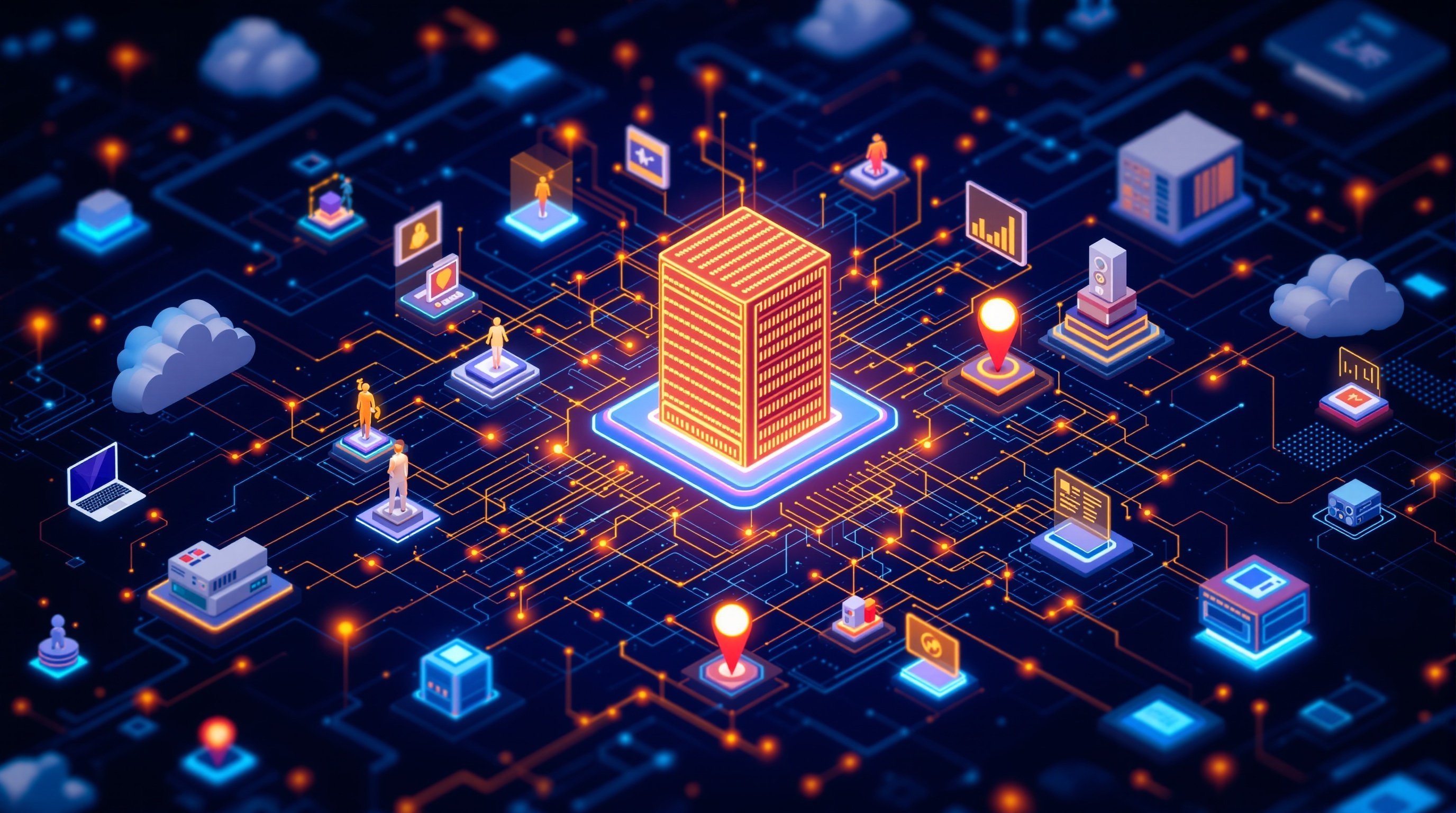
As the Internet of Things (IoT) continues to expand and applications demand real-time processing, edge computing has emerged as a critical component of modern IT infrastructure. By processing data closer to where it's generated, edge computing addresses the limitations of centralized cloud architectures.
Why Edge Computing Matters:
Traditional cloud computing requires data to travel from devices to distant data centers for processing, then back to the source. This round-trip introduces latency that's unacceptable for time-sensitive applications like autonomous vehicles, industrial automation, and augmented reality.
Edge computing solves this by deploying computational resources at the network edge—closer to data sources. This architecture offers several compelling advantages:
Reduced Latency
Processing data locally eliminates network round-trip time, enabling real-time decision-making for critical applications.
Bandwidth Optimization
By filtering and processing data at the edge, only relevant information is sent to the cloud, reducing bandwidth costs and network congestion.
Enhanced Privacy
Sensitive data can be processed locally without leaving the premises, addressing privacy concerns and regulatory requirements.
Improved Reliability
Edge systems can continue operating even when connectivity to central cloud services is disrupted.
Use Cases Driving Edge Adoption:
Manufacturing facilities are using edge computing for predictive maintenance, analyzing sensor data in real-time to prevent equipment failures. Retail stores are deploying edge AI for inventory management and personalized customer experiences. Healthcare providers are leveraging edge computing for remote patient monitoring and diagnostic imaging.
The edge computing market is projected to reach $274 billion by 2025, with enterprises across industries recognizing its strategic importance. However, successful edge deployment requires careful planning around security, management, and integration with existing cloud infrastructure.
As 5G networks roll out globally, edge computing capabilities will only expand, enabling new applications we haven't yet imagined. Organizations that invest in edge infrastructure now will be well-positioned to capitalize on these emerging opportunities.
Ready to Transform Your IT Infrastructure?
Contact ManSolPro today to learn how our enterprise ICT solutions can drive your business forward.
Get in Touch