DevSecOps: Integrating Security into the Development Lifecycle
DevSecOps is changing how organizations approach application security, making it an integral part of the development process rather than an afterthought.
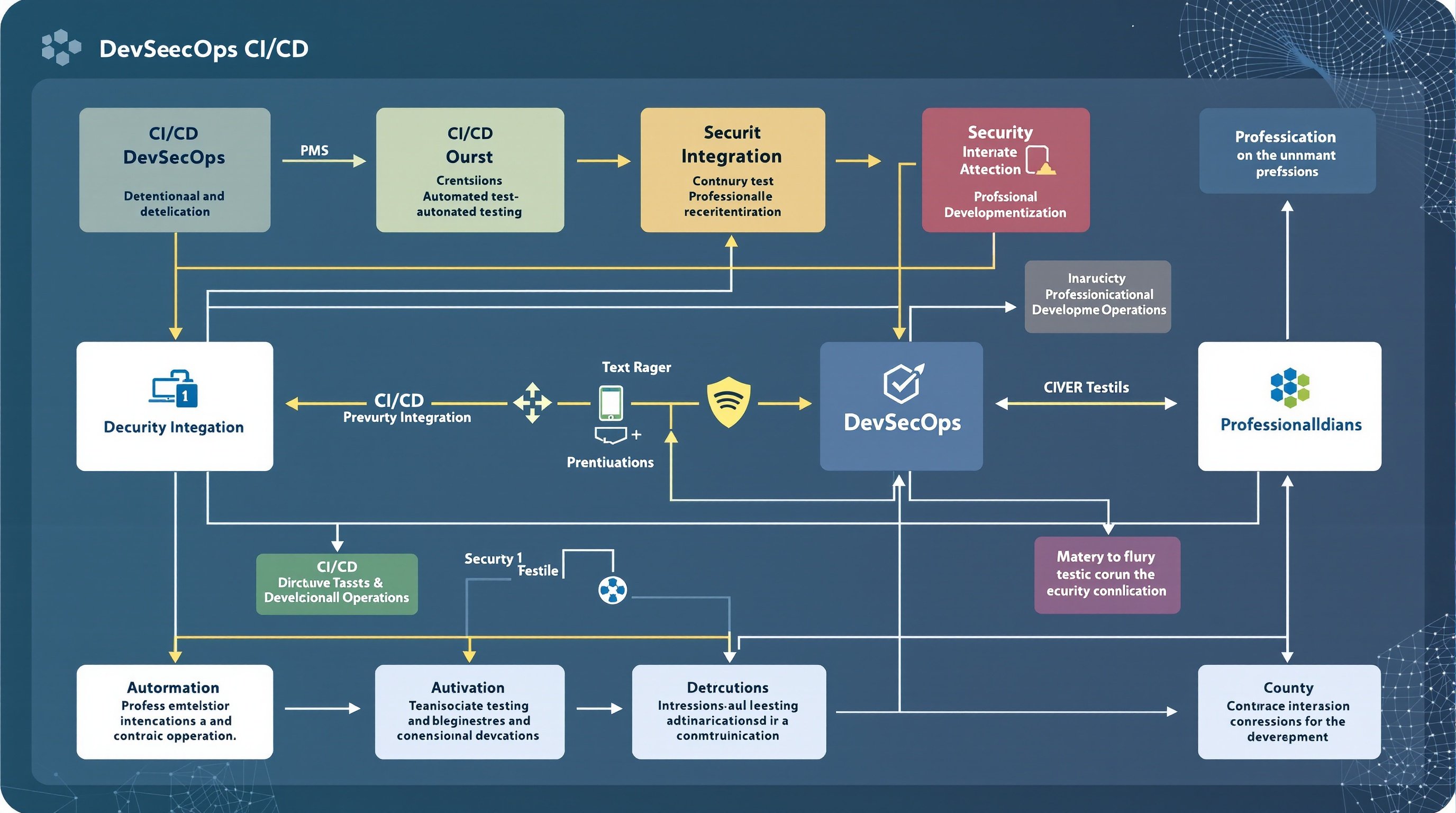
The traditional approach of treating security as a final checkpoint before deployment is no longer viable in today's fast-paced development environment. DevSecOps—the integration of security practices into DevOps workflows—represents a fundamental shift in how organizations build and deploy secure applications.
The Evolution from DevOps to DevSecOps:
DevOps revolutionized software development by breaking down silos between development and operations teams, enabling faster delivery through automation and collaboration. However, security was often left behind, creating vulnerabilities and compliance risks.
DevSecOps addresses this gap by making security everyone's responsibility throughout the entire development lifecycle, from initial design through deployment and operations.
Core Principles of DevSecOps:
Shift Left Security
Security testing and validation begin at the earliest stages of development, when vulnerabilities are cheaper and easier to fix.
Automation First
Security checks, vulnerability scanning, and compliance validation are automated and integrated into CI/CD pipelines.
Continuous Monitoring
Security doesn't end at deployment. Continuous monitoring detects and responds to threats in production environments.
Shared Responsibility
Security is not just the security team's job—developers, operations, and security professionals collaborate throughout the process.
Implementing DevSecOps:
Successful DevSecOps implementation requires both cultural and technical changes:
Cultural Transformation
Breaking down silos between security, development, and operations teams. This requires executive support, clear communication, and shared metrics.
Tool Integration
Incorporating security tools into existing development workflows, including static application security testing (SAST), dynamic application security testing (DAST), and software composition analysis (SCA).
Infrastructure as Code Security
Scanning infrastructure configurations for security misconfigurations before deployment.
Container Security
Implementing security scanning for container images and runtime protection for containerized applications.
Measurable Benefits:
Organizations that have successfully implemented DevSecOps report significant improvements:
- 50% reduction in security vulnerabilities reaching production
- 30% faster time to market for new features
- 60% reduction in security-related deployment delays
- Improved compliance posture and audit readiness
The key to DevSecOps success is starting small, demonstrating value, and gradually expanding security automation across the development lifecycle. As cyber threats continue to evolve, DevSecOps is becoming essential for organizations that want to innovate quickly without compromising security.
Ready to Transform Your IT Infrastructure?
Contact ManSolPro today to learn how our enterprise ICT solutions can drive your business forward.
Get in Touch